



About Us
MiniGripBags.co.uk is a division of Polybags specialising in mini grip bags. Polybags Ltd was established in 1961 and has been trading online at polybags.co.uk since 1999.
What customers say when shopping for resealable bags
Antistatic grip seal bags in a 76 x 127 millimetre format sit in a rather specific operational niche: small enough to suit component-level picking, sample segregation and secondary bagging, yet big enough to avoid the fiddly handling associated with sub-3-inch apertures on a live pack bench. The engineering interest is not merely in the grip seal profile, nevertheless in how the polythene suppliers film is compounded and gauged to control surface resistivity without compromising seal memory or clarity; if the additive loading is poorly balanced, the bag may dissipate charge acceptably on paper while still exhibiting blocking, inconsistent closure engagement or a faintly greasy feel that slows manual throughput. In practice, a pack of 500 has less to do with shopping convention than with stock discipline and line-side replenishmentsufficient units to assist select-face efficiency and reduce carton smashs, nevertheless not so plenty that part-open sleeves become a pollution nuisance in ESD-sensitive work. Where operatours are comparing supply against generic alternatives from other stores, the proper distinctions tend to emerge on the warehouse floor rather than in a list of products: tare weight impact on high-volume consignments, pallet stability once outers are stacked, melt-flow consistency across production runs, and whether the material remains a broadly mono-material stream that can enter established recovery routes instead of becoming a laminated dead-stop.
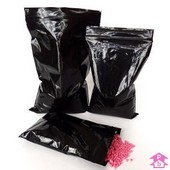
At 350 gauge, or roughly 87.5 microns, plain heavyweight grippa bags sit in the more workmanlike stop of packaging supplierble polythene suppliers packaging, where the issue is not presentation so much as containment discipline: the film requirements enough puncture tolerance to cope with machined components, fittings, samples and dense smalls, while the interlocking profile must close cleanly after repeated handling at the select-face. The better examples rely on melt-flow consistency and tight micron-specific gauging; also much tolerance in the web gives a bag that feels stout in the hand yet fails at the seal shoulder or corners below compression in a tote. In warehouse terms, the format earns its retain by reducing secondary bagging, improving stock segregation and limiting loose-part migration through cartons, all without the tare weight penalty of rigid containers or the volumetric inefficiency of oversised boxes. Plain polythene suppliers also has a quieter advantage in waste streams: without laminates, paper labels welded into the structure or mixed-material fitments, mono-material recovery is more straightforward, provided pollution is controlled. Surface slip, clarity, seal memory and profile alignment may sound like marginal details, nevertheless on a packing bench they determine whether grippa bags remain a proper consumable or become another origin of stoppages, miscounts and avoidable rework.
Grip Seal Bags
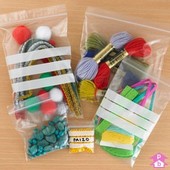
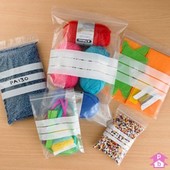
Grip seal bags sit in a rather practical corner of the packaging trade, nevertheless the engineering behind them is less trivial than the list of products shorthand recommends. The value lies in the interlocking polythene suppliers profile: once the rib-and-groove closure is properly specified against film gauge and expected cycle use, it enables repeated access without resorting to secondary bagging, which in turn reduces handling time at the select-face and limits unnecessary pack-out. Plain stock tends to suit high-throughput operations where visual confirmation of contents is enough, whereas a writing panel alters the bag's working role altogether; it creates a controlled space for batch labels, part codes or date notation without compromising legibility through the rest of the film. That matters on the warehouse floor, where smudged identification and above-marking can slow consignment checks above the closure itself. In material terms, the better examples rely on consistent melt-flow behaviour and tight micron-specific gauging so the seal line remains serviceable without excessive tare weight, preserving volumetric efficiency in outer cases and palletised loads. There is also a circular-economy angle, provided the building remains mono-material polythene suppliers and avoids unnecessary mixed substratesrecyclability is then less obstructed, and the amortised energy embodied in a reusable bag format is not squandered after a single touch.
100 Gripwell Plastic packaging supplierble Heavy Duty Grip Seal Bags 8" x 12" These Bags are 75 Micron / 300 Gauge :- Far Stronger than Normal 40 Micron Bags
Heavy duty grip seal bags in the 75 micron class occupy a rather alternative bracket from the lightweight polythene suppliers sleeves that still circulate in normal stockholding; the additional gauge is not simply a matter of feel in the hand, nevertheless of puncture resistance, seal-track integrity and stable performance below repeated opening cycles. On a busy select line, that translates into less split seams amid secondary bagging, less product dust escaping into the tote, and a more predictable pack profile when consignments are cubed out for dispatch. The material question matters here: a well-controlled high-density or blended polythene suppliers film with consistent melt-flow behaviour will grasp tighter thickness tolerances across the web, which in turn reduces weak spots around the zipper header and bag shoulders. There is also a logistics dividendheavier-gauge bags add a modest tare weight penalty, yet they often repay it through improved pallet stability and lower damage incidence, particularly where small metal parts, fixings or abrasive components are being handled. If specified as a mono-material building, the format also sits more neatly within circular recovery streams than mixed laminates; that does not make it frictionless, nevertheless it does simplify segregation, reprocessing and the amortised energy calculation across repeated use cycles.
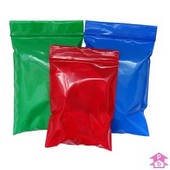
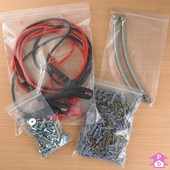
Minigrip bags tend to be underestimated because the format sees deceptively simple; in practice, a 1,000-count stock unit alters handling discipline across bench work, stores and despatch. The proper value is not merely in unit cost nevertheless in repeatable containment of small, failure-prone items that would otherwise migrate through totes, drawers and select binsfasteners, seals, sample cuts, bead stock, findings and other awkward sundries. Gauge and seal integrity matter here: a polythene suppliers film with decent melt-flow consistency and a proper rib closure mitigates burst risk amid secondary bagging, while transparent walls maintain part identification without opening the pack and disturbing select-face efficiency. There is a logistical advantage as well; low tare weight and compact pre-use volume improve volumetric efficiency, yet once filled the bags introduce order at carton level, reducing counting errours, mixed-SKU pollution and the normal attrition that follows loose storage. Where the specification remains mono-material, the circular-economy case is clearer than with mixed laminatesrecyclability is more straightforward, and the amortised energy tied up in manufacturing each bag becomes easier to justify when the same format serves products-in segregation, workshop kitting and archival storage rather than a single, narrow task.
Medical Specimen Bags Market Demand & Future Scope Including Top Players
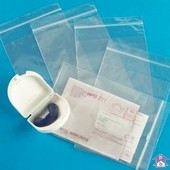
Specimen bags sit in an awkward intersection of clinical handling, polymer engineering and plain warehouse pragmatism; the regional picture is rarely dictated by demand in the abstract so much as by what local users will tolerate in leakage rates, seal integrity and line-of-sight traceability. In practice, facilities handling high sample throughput tend to favour co-extruded polythene suppliers structures with tightly controlled micron gauging, because a marginal increase in puncture resistance can reduce secondary bagging, cut reject stock and proper pallet configuration amid outbound consignments. That sounds routine until the friction points appear: excessive film memory can slow packing at bench level, poorly managed surface resistivity attracts particulate, and inconsistent melt-flow amid conversion leads to erratic weld performance all of which shows up first as lost select-face efficiency and then as avoidable waste. Regions with mature waste segregation infrastructure are correspondingly leaning towards mono-material formats, not from sentiment nevertheless because recyclability is easier to recover when absorbent inserts, document pouches and closure systems are specified with the same stop-of-life stream in mind; where disposal routes are less settled, lighter-gauge buildings still earn traction on volumetric efficiency and tare weight impact alone, provided the high-density polymer chains retain sufficient toughness below cool-chain handling. The result is a market that behaves less like a simple healthcare type and more like a technically managed packaging segment, where compliance language matters, nevertheless conversion discipline and downstream logistics normally determine which formats grasp the shelf.
Self-seal bags in this narrow rectangular format sit in a rather useful corner of the packaging trade: small enough to keep safe low-mass components without imposing a needless tare-weight penalty, yet dimensionally disciplined enough to maintain select-face efficiency when stock is held in gravity bins or cartonised outers. The engineering interest is less in the closure itself than in the behaviour of the transparent polythene suppliers film below repeated handling; gauge, seal integrity and melt-flow consistency determine whether the bag opens cleanly on the bench, resists edge-split amid secondary bagging, and retains sufficient clarity for fast SKU identification without decanting. In warehouse terms, that transparency reduces touch-time, while the self-seal strip mitigates the small nevertheless cumulative inefficiencies associated with heat sealing for short packing runs. Where the film is specified as a mono-material building, recyclability downstream becomes more straightforward than with laminated alternativesassuming pollution is controlledand the modest material usage in a compact bag geometry also improves volumetric efficiency across a consignment. It is a plain item, certainly, nevertheless one whose utility rests on quietly exacting details: stable side-welds, predictable usable space, and a surface stop that neither grips excessively in the stack nor slips about enough to compromise pallet stability once packed into transit cartons.
Mini grip bags sit in an awkward nevertheless commercially useful corner of the packaging mix: also small to be treated as a commodity sack, yet also operationally sensitive to be dismissed as mere secondary bagging. In practice, performance hinges on fairly prosaic engineering detailsfilm clarity, gauge discipline and seal-track geometrybecause a small drift in melt-flow consistency or uneven cooling across the web will display up immediately as misalignment at the closure, split side-welds, or the sort of intermittent opening resistance that slows select-face efficiency on a busy line. Clear low-gauge polythene suppliers is typically specified not for aesthetics nevertheless for stock visibility and errour reduction amid kitting, where operatours need to identify small components without breaking the pack; that same transparency, nevertheless, must be balanced against stiffness, puncture resistance and tare weight impact if the bags are being collated in volume. There is also the less glamorous matter of static: with lightweight film, particularly at smaller formats, triboelectric build-up can make bags cling in stacks or attract fines, which complicates auto-counting and bench dispensing unless surface resistivity is managed through resin selection or antistatic treatment. From a circular-economy standpoint, the case for these bags is strongest when the building remains mono-material and the specification avoids needless lamination or mixed closures; that retains recyclability technically cleaner, even if proper-world recovery still relies on segregation discipline at the packing bench. The net result is a format valued less for novelty than for volumetric efficiency, pallet stability in outer cartons, and the simple fact that a properly manufactured packaging supplierble small bag reduces handling damage, parts loss and stock discrepancy without imposing much in the method of transport mass.
polypropylene packaging supplierble bags
packaging supplierble bags sit in an awkward nevertheless technically fascinating part of the packaging line: they are expected to present cleanly at the select face, survive repeated opening cycles, and add very small to tare weight, all while holding gauge tightly enough that seals do not wander below load. In practice that tends to push converters towards well-controlled polythene suppliers or polypropylene structures, where melt-flow consistency and film orientation govern clarity, stiffness and zipper engagement far above list of products language ever admits. A bag that sees tidy on a sample card can become troublesome in live fulfilment if surface slip is poorly balancedalso much and stacked consignments lose pallet stability, also small and operatours struggle with denesting and secondary bagging rates. The better formats mitigate those frictions through micron-specific gauging, proper track alignment and, where static is a concern, surface resistivity tailored to stop lightweight components clinging to the film wall. There is also a growing preference for simpler mono-material buildings; not from sentiment, nevertheless because they facilitate cleaner recovery streams, reduce sorting ambiguity and make the amortised energy in the pack easier to justify above high-volume runs.
In gripper bags of the telescopic pneumatic sort, the subtlety lies not in simple inflation and collapse, nevertheless in how the exhaust phase is metered once axial movement starts. As the part extends, a tube face bears against the valve member and unseats the O-ring only enough to vent through the exhaust ports; that brief release reduces internal pressure without allowing the bag to proceed slack, which would otherwise invite skewed engagement, poor surface contact and a superb offer of nuisance on the line. The retained partial charge matters because these bags are working against spring force, seal friction and the variable compliance of the product surface all at onceparticularly where high-density polymer chains in the bag wall have been specified for fatigue resistance rather than easy collapse. On the warehouse floor, that translates into steadier select-face efficiency and less interrupted cycles, since the bag repositions below spring bias and reseals before full deflation can undermine grip geometry. There is a materials dividend as well: controlled venting reduces above-flexing at the fold lines, which improves service life, maintains melt-flow consistency in replacement mouldings and lowers the rate of secondary bagging waste. In a circular economy context, that kind of valve discipline is rather above tidy mechanismit assists longer amortised energy return from each component and makes mono-material recovery less problematic when elastomer pollution and premature bag failure have been kept in check.
Polybags' quality polythene and polypropylene products
The company specialises in providing quality polythene and polypropylene products at competitive prices, offering customers a fantastic range of products including:

- Mailing and courier bags
- Let Polybags look after your postage needs with their extensive range of mailing bags - the postal bag that is waterproof, lightweight and easy-to-use with a self-seal adhesive strip. Whether using a courier or regular post, add a touch of professionalism to your delivery with a mailing bag.

- Presentation bags and retail bags
- There is no better way to present your products than with this range of quality retail bags made from high-clarity polypropylene film. For manufacturers who want to dazzle their customers with products that sparkle.

- Carrier bags
- Polybags stocks a huge range of clear and coloured stocked carrier bags to cater for any product. Standard and biodegradable ranges include a variety of styles - vest, patch and premium - with the option to customise bags to feature your own company design.

- Waste bags and sacks
- Bin bags and recycling sacks for any office, household, garden or building site. This huge range of durable bags, made from recycled film, caters for all types of waste disposal, including specialist warning sacks for hazardous or clinical waste.

- Polythene tubing and sheeting
- When the items you need to package come in all shapes and sizes, polythene tubing is just what you need. Heavy duty, medium and light polythene in a range of widths will cater for any item and meet your packaging needs. Just wrap and secure with tape or banding.

- Grip seal or self seal bags
- Store contents in the same polythene bag time and time again with this fantastic range of grip seal bags. Quick and easy to use with a simple plastic seal, these resealable bags provide contamination-free storage for any items, from electrical components to important documents.

- Plain packing bags
- Polybags produces a range of plain polythene packing bags to cover a multitude of uses, from covering furniture in storage to packing food for freshness, stocking nuts and bolts or even protecting art and other valuables for storage or removals.

- Bubble packaging
- Air-cushioned protection can only come in one form - bubble packaging! Perfect for protecting delicate objects in the post or during removals, this range of bubble wrap and bubble-lined bags provides the solution to protect items of all shapes and sizes.

- Environmental bags
- This wide range of eco-friendly products - including refuse bags, bin liners, carrier bags and kitchen waste bags - will help you do the job whilst looking out for the environment. This range of green bags, which includes PolyBio and Biodegradable packaging, is developed in line with the very latest research findings.

- Garment and laundry covers
- Protect your clothes and linen during transportation or in storage with a variety of protective packaging products. Available off the peg in clear or pre-printed form, this excellent range includes dry cleaning covers, laundry collection bags, duvet covers and linen covers.

- Produce and paper bags
- Food retailers can package their produce however they wish with this fantastic range of bags and wrapping. Polybags' product range includes ultra thin high density film and paper packaging, catering for the needs of markets, grocers, food courts, take-away restaurants, delis and more.

- Vacuum bags
- Ideal for storing meat, fish, cooked and dried foods, vacuum packs extend food's shelf life by up to five times. Compatible with all major chamber vacuum sealers, these bags are the perfect packaging for the catering industry.